

Product Description
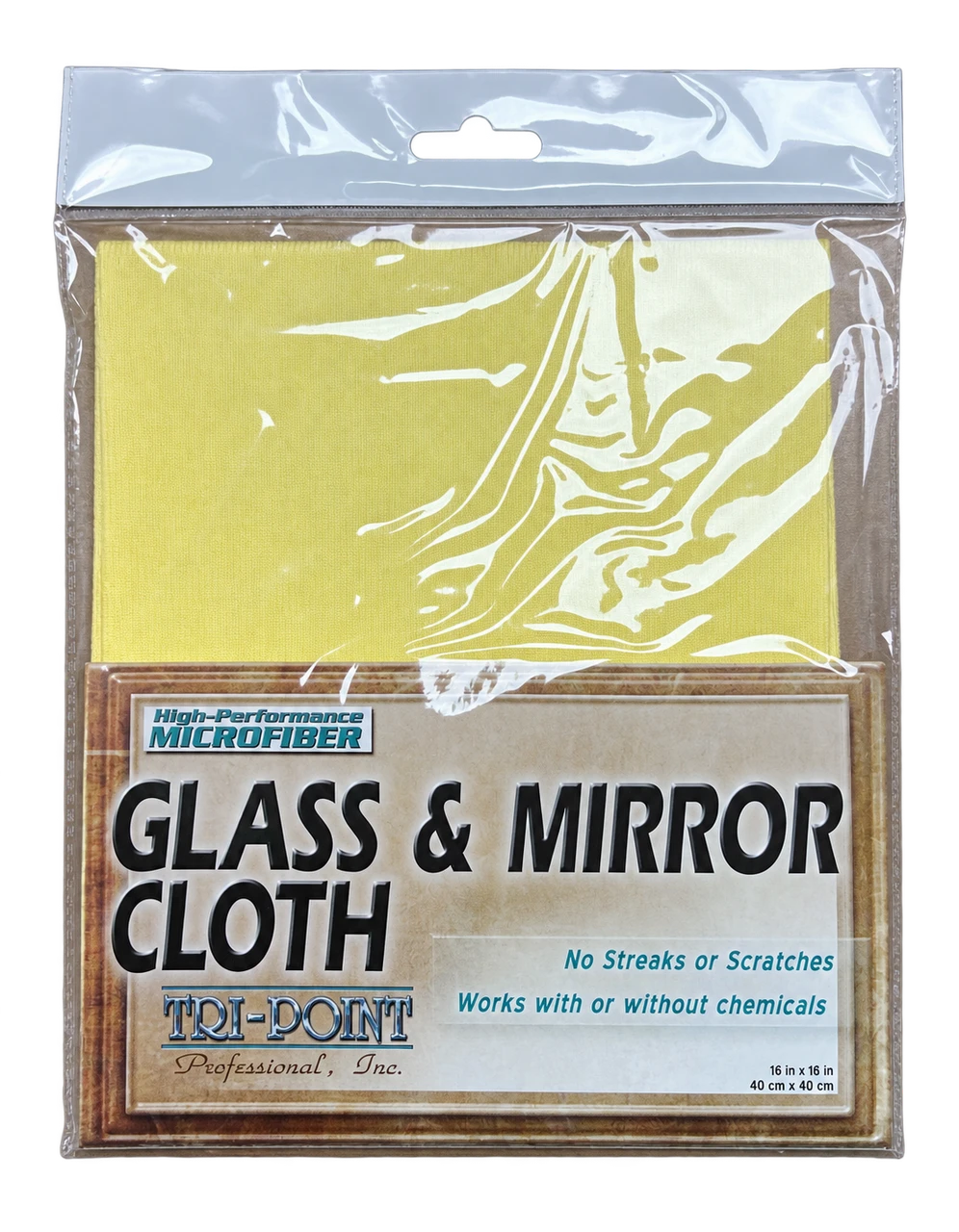
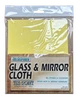
Tri-Point Professional Microfiber Cleaning Cloth is made specifically for glass and mirrors. Its low nap makes it lint-free. For great results, dampen the cloth with warm water and wipe the surface.
Yellow | 16″ × 16″
Why use microfiber?
Microfiber technology has been called one of the most significant innovations in the cleaning industry in the last century. It can reduce the time and effort required for certain tasks, and many routine cleaning jobs can be done with little or no cleaning solution. Using fewer cleaning chemicals can also reduce the environmental impact of those tasks. Research has suggested that some microfiber cleaning tools may reduce strain on the back, shoulders, and elbows, potentially reducing workers’ compensation claims. Training can help staff who are used to traditional cotton cloths and mops understand how to get the most out of microfiber.
How microfiber works
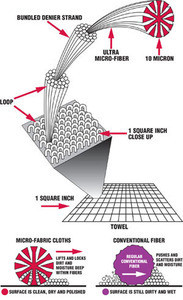
At first glance, microfiber and cotton cloths can look and feel similar. The difference is in the fibers. Microfiber is made from a blend of polyester and polyamide, also known as nylon. These materials form strands that appear star-shaped under a microscope. A combination of chemicals, heat, and agitation splits the strands into ultrafine fibers, which are then woven into the finished cloth.
The degree of splitting is one factor in microfiber quality. Individual fibers can be as fine as one-sixteenth the width of a human hair. When woven together, they create millions of tiny spaces that trap moisture, dirt, and debris. The fine fiber ends can reach into cracks and crevices to pick up dirt that traditional cloths or mops may push around. Dry microfiber can also develop a static charge that helps attract dust and hold it until the cloth is washed.
Microfiber in professional cleaning
Healthcare facilities have adopted microfiber tools to help reduce cross-contamination between rooms. Where local requirements or facility procedures call for changing mop heads or cleaning solution between rooms, lightweight microfiber flat mops make it easier to carry and change multiple heads. A wet microfiber flat mop can weigh around three pounds, compared with eight to ten pounds for a traditional wet string mop. That difference can reduce the amount of weight employees have to push and lift.
Microfiber flat mops can also reduce splashing on baseboards. Their looped fibers can help lift dirt from grout lines where a traditional string mop may push water into the grout. Flat mops can be used on floors, walls, and ceilings, while microfiber cloths and mitts are designed for smaller surfaces such as counters, windows, and mirrors.
Choose the right microfiber for the surface
Microfiber products come in several styles, including scrubbers, general-purpose cloths, and soft cloths. Match the cloth to the surface and the job. A scrubbing cloth can scratch some plastic finishes, so use a soft cloth where the manufacturer recommends one. This low-nap cloth is designed specifically for glass and mirrors.
Use and care
Microfiber’s service life depends on the quality of the fibers and how the product is used, washed, and stored. With proper care, some microfiber products can be laundered 100 to 500 times. Some manufacturers report that the cloth itself may wear out before the fibers lose their cleaning effectiveness.
Microfiber can be used dry to pick up dust or damp for routine cleaning. If you use a cleaning solution, dampen the cloth without soaking it. Too much liquid can fill the spaces between the fibers and reduce their ability to pick up and hold dirt. Avoid acids and check product labels for warnings about damage to plastics, since those cleaners may also damage synthetic microfiber.
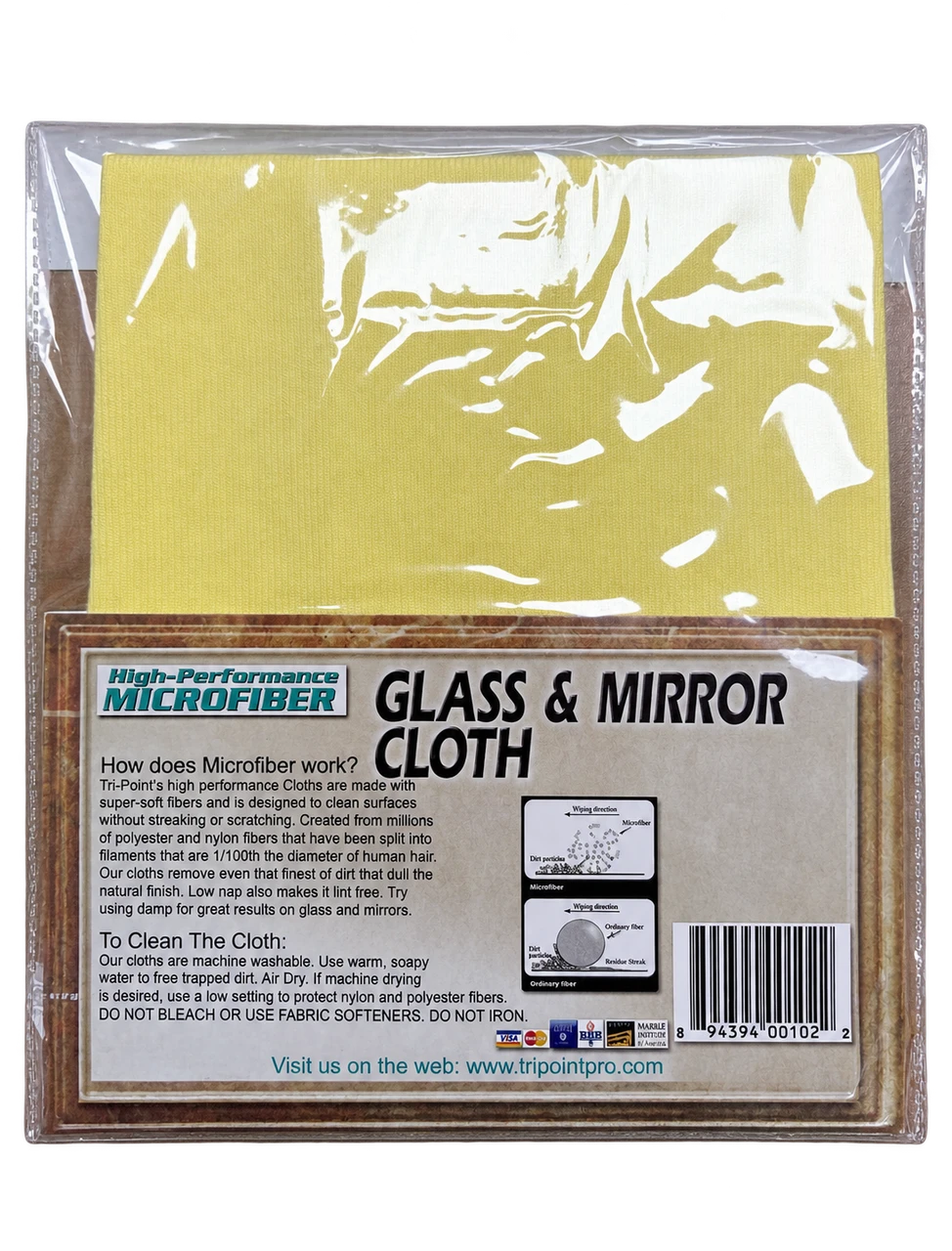
Follow the product’s care instructions when laundering. General microfiber care guidance recommends a detergent with a pH below 11, a wash temperature no higher than 200°F, and a drying temperature no higher than 130–140°F. Avoid harsh bleach and fabric softener. Wash microfiber separately from lint-producing fabrics so it doesn’t collect lint in the wash. Fabric softener can also leave residue between the fibers and reduce microfiber’s ability to attract dust.
Long-term value
Microfiber products may cost more upfront than traditional cloths and mops. When comparing costs, consider the full life of the product, including cleaning chemicals, water, laundry, and labor. Some manufacturers can help housekeeping departments estimate potential savings and plan a switch to microfiber. As more departments adopt it, manufacturers continue to develop cloths, mitts, scrubbers, and flat mops for specific cleaning jobs.